Independent & Unbiased
Founded in 2017, Pickleball Portal is one of the original pickleball content sites — built before the sport went mainstream. Our reviews are written by 14 independent contributors who play competitively and test gear firsthand. We may earn a small commission through affiliate links, but this never influences our recommendations. You pay nothing extra.

TweenerKing
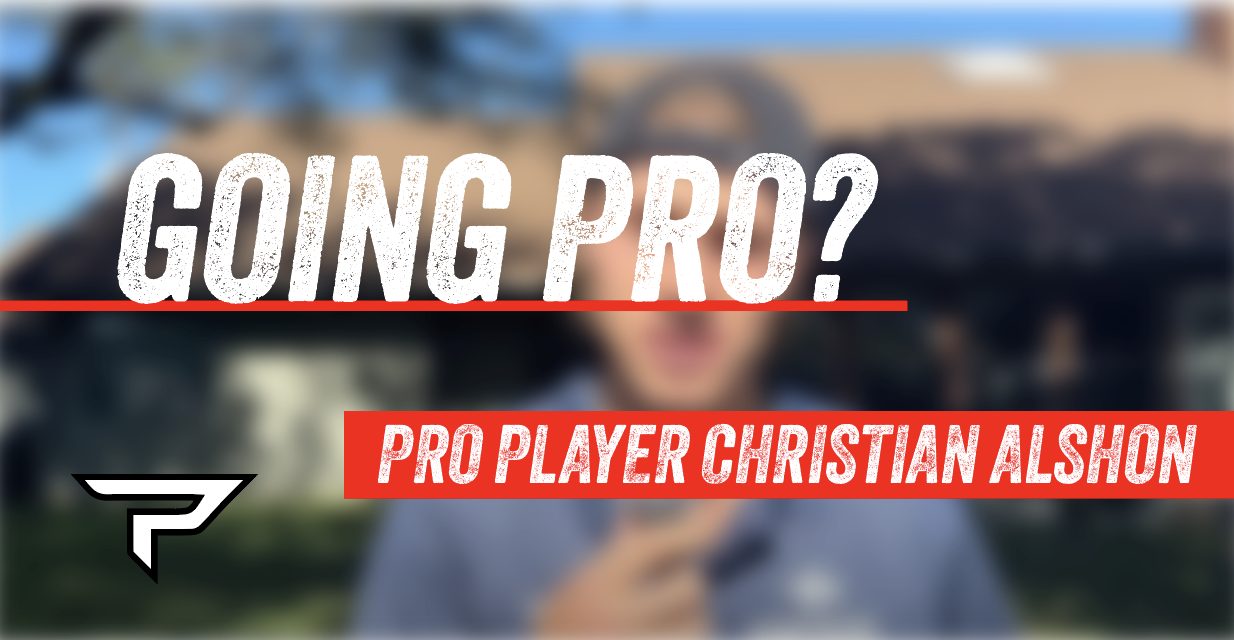
My name is Christian Alshon, I’m 24 years old, and I’m currently one of the top five pro pickleball players in the world. I get asked all the time—at least once a week—what advice I would give to someone who wants to go pro. After talking with a ton of players at the recent MLP event in Dallas, I decided to put my advice into eight key points. Number three was a game-changer for me, so stick around for that one.
1. Figure Out Your Level
If you want to go pro, you need to know where you currently stand. The best way to do that is to play with people at your local parks. Other players can often help you gauge your level. Another option is to enter a tournament—whether it’s 4.0, 4.5, or 5.0. You don’t need to start with pro tournaments, but competition will give you a clear idea of your skill level. Using DUPR is also a good way to track progress.
2. Train Consistently
In the beginning, improvement happens fast. Those first few weeks, months, and years are crucial. For me, the difference between my first week and three months in was massive. Play every day if you can, and see how quickly you progress. That will help you decide if going pro is realistic.
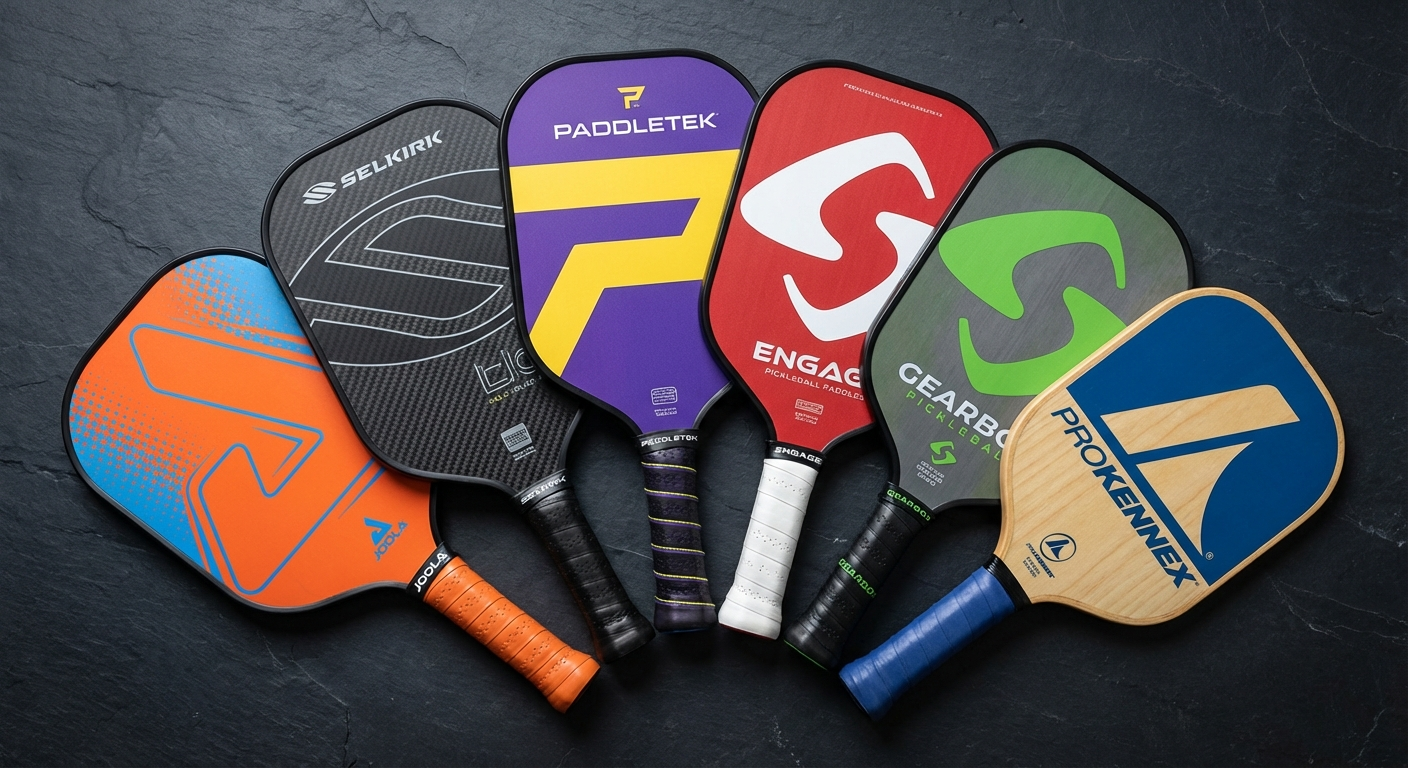
How To Choose a Pickleball Paddle: The Complete Buyer's Guide (2026)
3. Find a Wall
This was huge for me. You won’t always get the best training by playing rec games. Social games are fun, but if you’re serious about improving, you need solo work. A wall is the best training partner—it forces you to focus on your weaknesses and sharpen your fundamentals. When I was at the University of Chicago, I played against the wall every day for six months, even if it was only 20 minutes. Those short sessions added up and made a massive difference.
4. Find a Pro
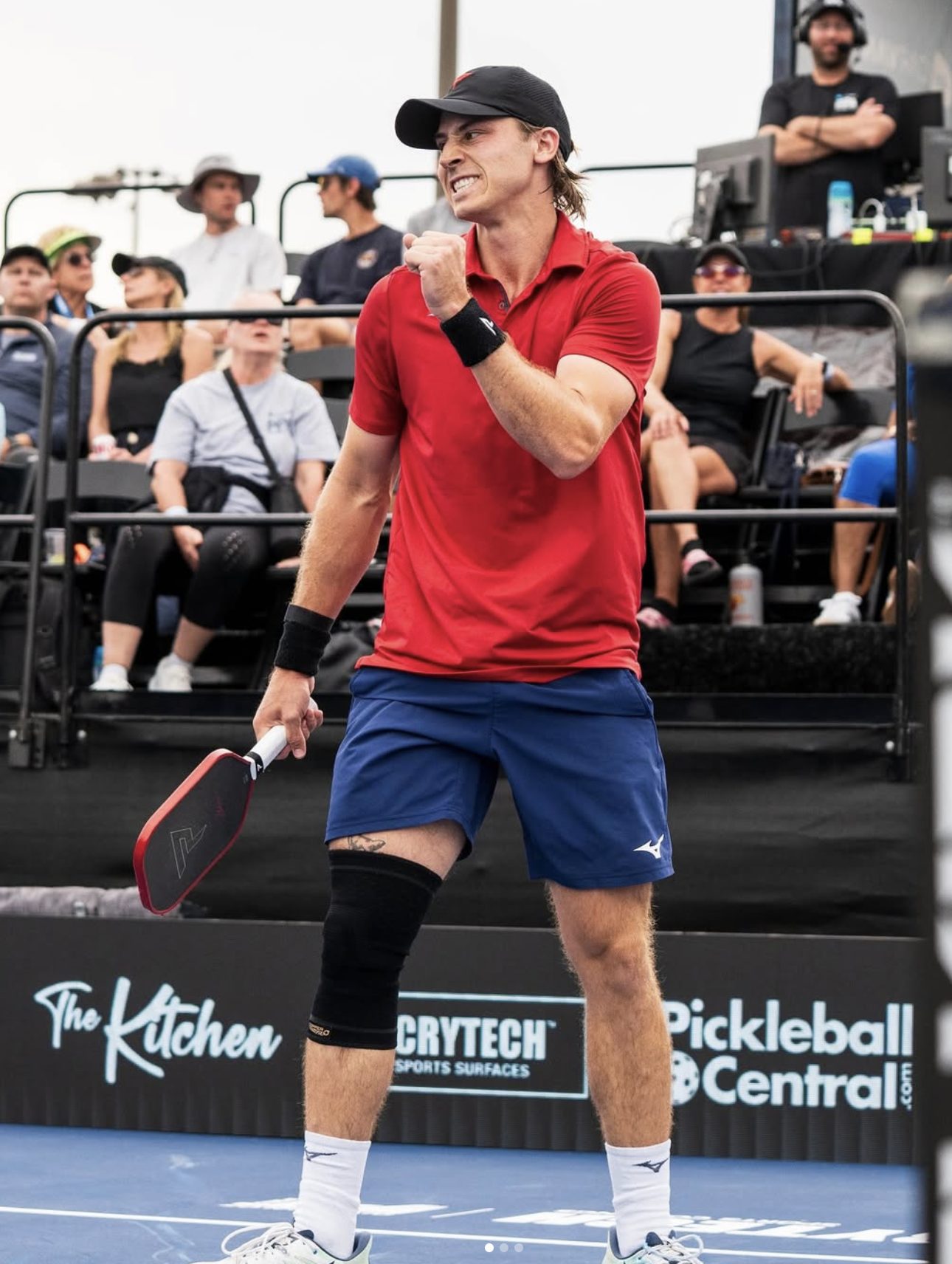
Christian Alshon in Texas 2025

Ben Johns & ALW
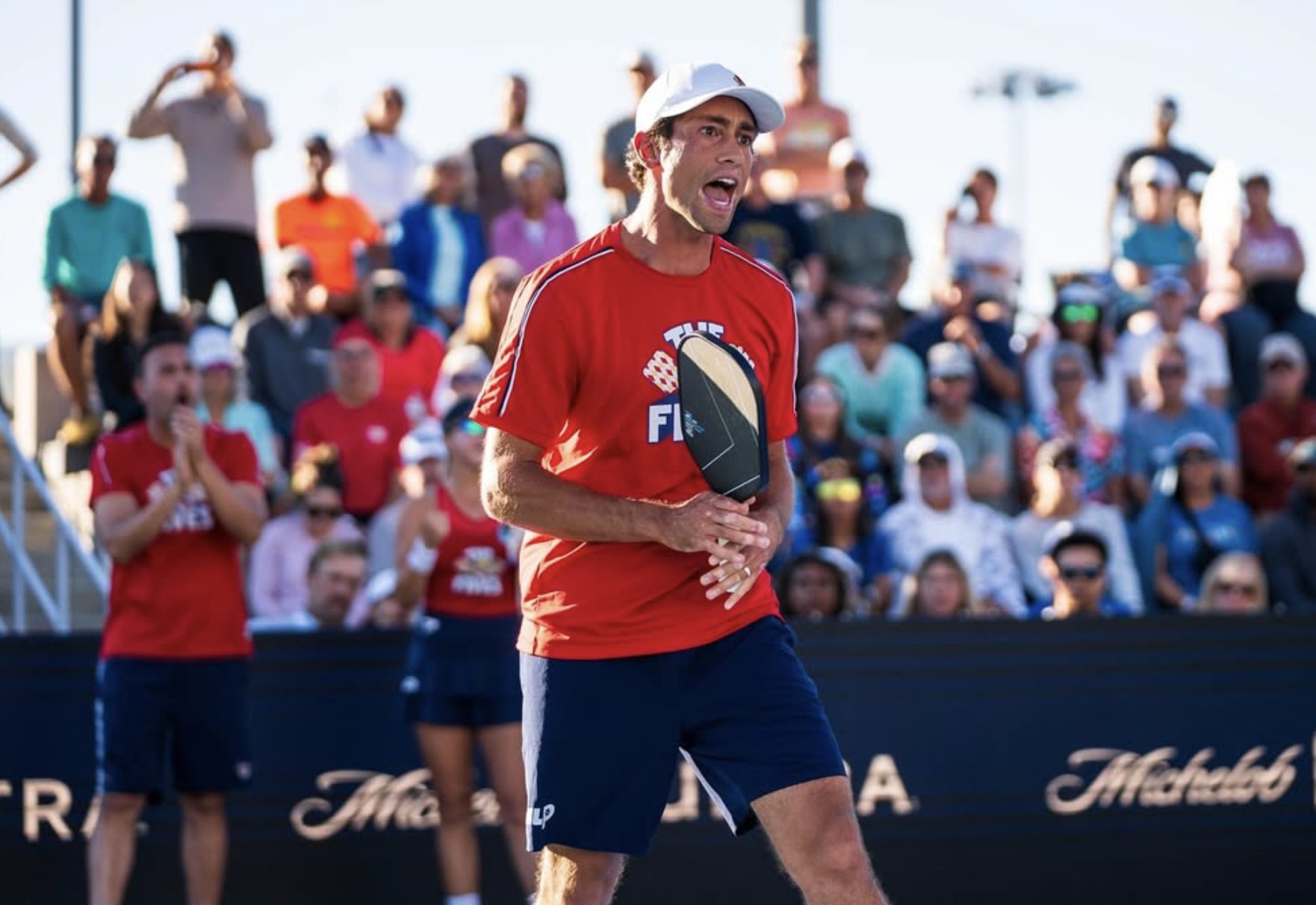
Zane Navratil
This might be the most important advice. Nobody understands what it takes to go pro like someone who’s already there. Compare yourself to them, ask for feedback, and try to get into their playing group. If there aren’t any pros near you, travel to a tournament and watch them play in person. You don’t need to train with the top five players—there are hundreds of pros at different levels, and many are accessible if you work your way up.
5. Watch the Pros
One of the best ways to learn is by watching and replicating. Reading or listening to instructions doesn’t always click, but seeing pros in action and breaking down their mechanics helps you figure things out in your own body. That’s how I’ve learned a lot myself. Study matches, watch breakdowns, and then try to replicate what you see.
Find Your Perfect Paddle
Take our 60-second quiz and get matched with your ideal paddle
6. Be Ready to Make No Money at First
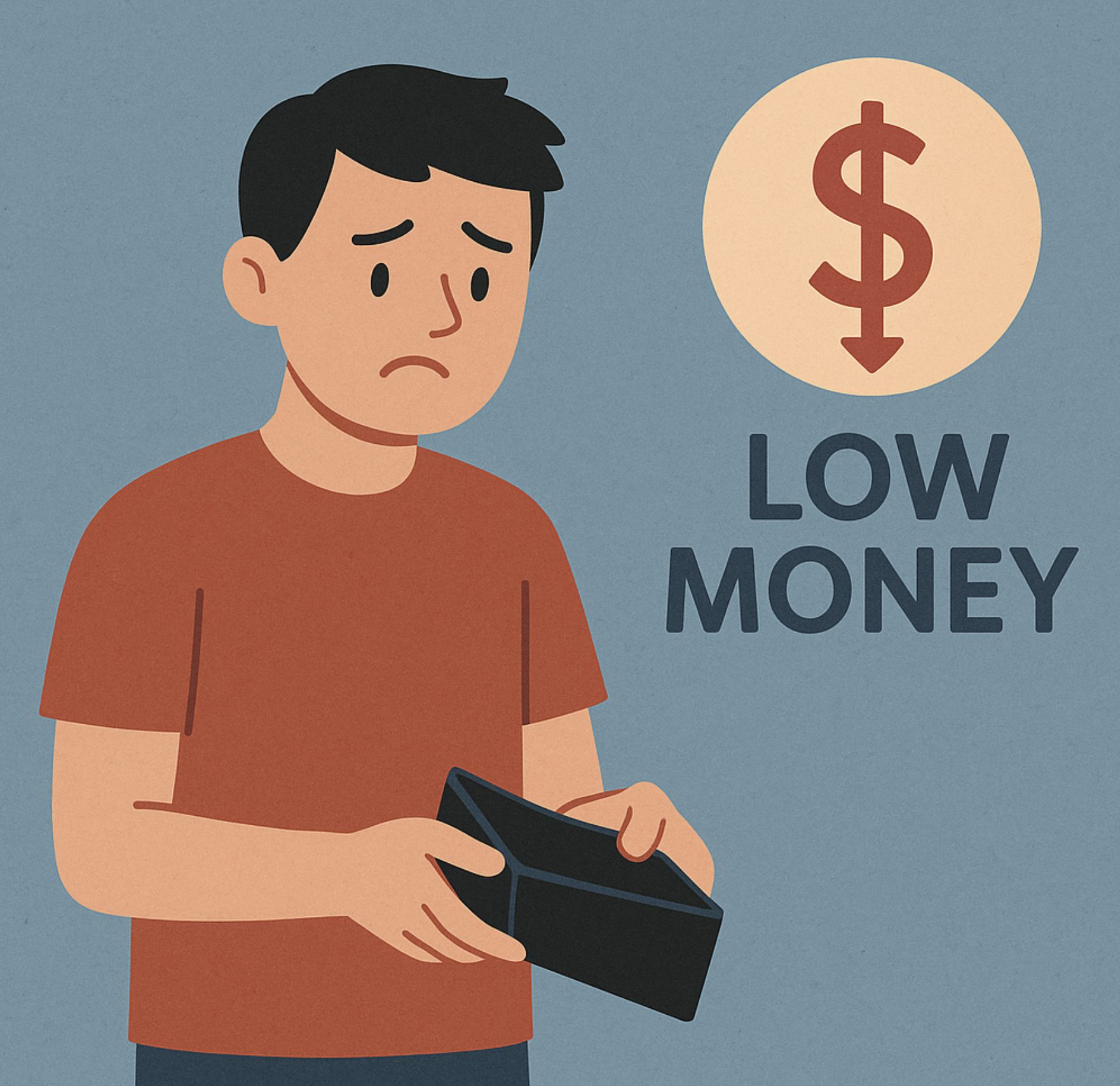
Illustration created with AI
Going pro is expensive in the beginning. Most players don’t make money in their first year, so you’ll need to budget. That might mean carpooling, sharing Airbnbs, or booking the cheapest flights. I paid for everything myself at first, and I had to save and stretch every dollar. Eventually, I picked up some support from a paddle company, but early on, it was all out of pocket. Expect this, and don’t let it discourage you—it’s part of the grind.
7. Get a Good Paddle
You can’t play at the highest level with a $30 paddle from Walmart. The difference between cheap gear and a professional-grade paddle is massive. Invest in a quality paddle ($200+). Personally, I play with a custom Paddletek Bantam TKO CX, and it’s been amazing. A proper paddle gives you the control and power you need to compete seriously.

8. Have Fun
Pickleball is supposed to be fun. Going pro won’t always be easy—it’s still a job, and there are tough days. But if you enjoy the journey, you’ll push through the lows and celebrate the highs. For me, the joy of competing, winning big matches, and being part of this sport is worth everything. Even if you only go pro for a year or two, you’ll always have that story and experience to carry with you.
Padel vs. Pickleball (2026): A crisp, no-fluff comparison
Final Thoughts
If you’re young and serious, go for it. The road won’t be easy, but the experiences are priceless. For me, pickleball has given me the highest highs and the lowest lows, but I wouldn’t trade it for anything. Good luck on your journey, and remember: train hard, stay humble, and enjoy the ride.
🎥 Check out full-version breakdowns on my YouTube channel, where I dive deeper with real-game analysis, and exclusive content.
Editor’s Note: This article is based on a video by Christian Alshon. We partnered with him to highlight key concepts in a written format for players who prefer to read or reference drills on the court.
Related Articles:
About Christian Alshon
Pickleball Portal Contributor
Christian Alshon is a contributor to Pickleball Portal, sharing insights and expertise to help players of all levels improve their game.