Independent & Unbiased
Founded in 2017, Pickleball Portal is one of the original pickleball content sites — built before the sport went mainstream. Our reviews are written by 14 independent contributors who play competitively and test gear firsthand. We may earn a small commission through affiliate links, but this never influences our recommendations. You pay nothing extra.
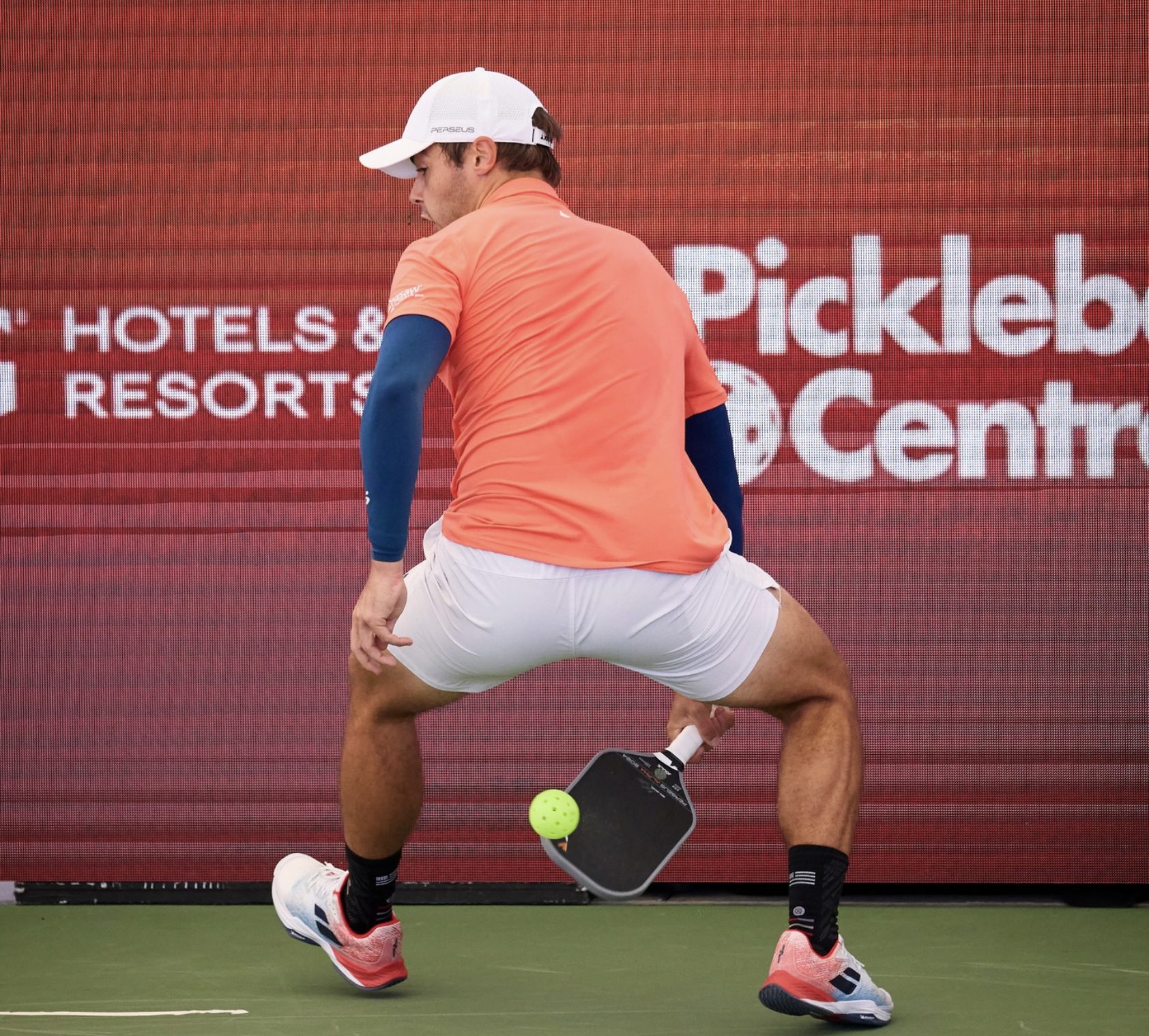
No. 1 female pickleball player, Anna Leigh Waters. Photo by Kerry Pittenger; IG:@
kerry_pittenger_pickleball
Last Updated: February 2026
Hey guys, it's Dan. I'm not a big fan of sunglasses. After 26 years of searching, I still haven't found a pair that fits my face. And when I'm on the court, they always hinder my vision. Nonetheless, I've come to realize that without them, I have no swagger and run the risk of an eye injury :/ Plus, they make clear protective glasses-so there's really no excuse not to wear them.
While most pro pickleball players avoid sunglasses due to the high-speed nature of the game, many pro players do wear them. For crying out loud, even the world's No. 1 female pickleball player, Anna Leigh Waters, wears them.
Our gear testers did the research for you-here are some top picks.
Rudy Project Tralyx+
by Dennis Rodriguez, Professional Coach
Right out of the box, the attention to detail stands out. The lens clarity was the biggest selling point for me-I could track the ball better, and everything just looked sharper.
The adjustable nose pad and temple tips make a difference. Unlike other sport sunglasses that slide around, these stay put, no straps needed.
Made from Graphene, they're shock-resistant yet lightweight. The vented design keeps airflow moving, reducing fog. Plus, the photochromic lenses adjust to lighting conditions, so there's no need to switch pairs.
With a two-year warranty and scratch replacement for Rx lenses, Rudy Project stands behind their product. If you want top-tier vision, a secure fit, and long-term durability, the Tralyx+ is a solid investment.
Tifosi Optics Rivet
by Mike Branon, Professional Coach
If you've ever been hit in the eye with a pickleball, you know how scary it can be. Getting hit anywhere else might sting for a moment (or bruise your ego when your opponent celebrates), but the eye is especially vulnerable. I learned that the hard way when a ball ricocheted off my paddle and hit me square in the eye, tearing my iris and leaving my pupil permanently dilated. Since then, my other eye has had to do most of the work, and I've never played without eye protection again.
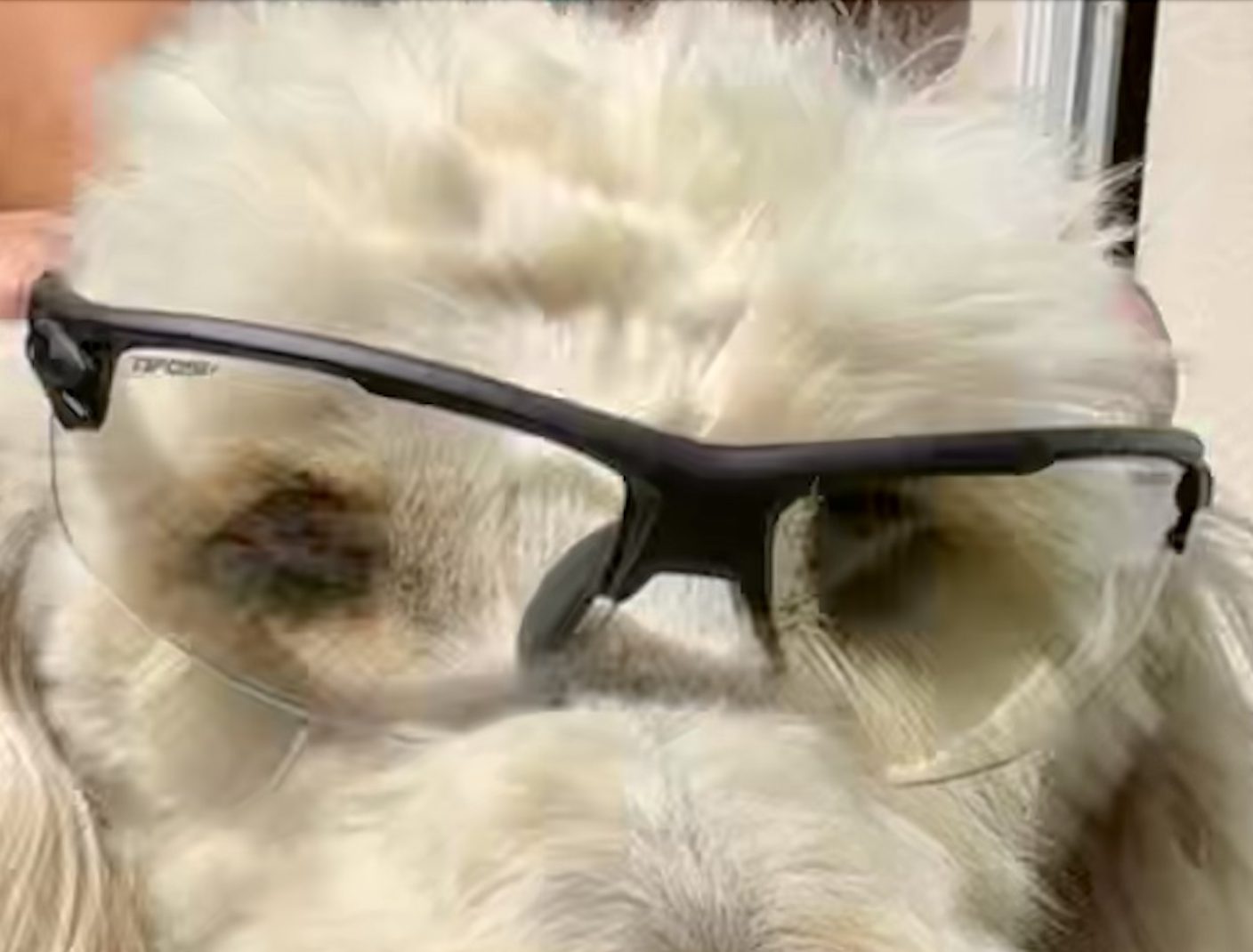
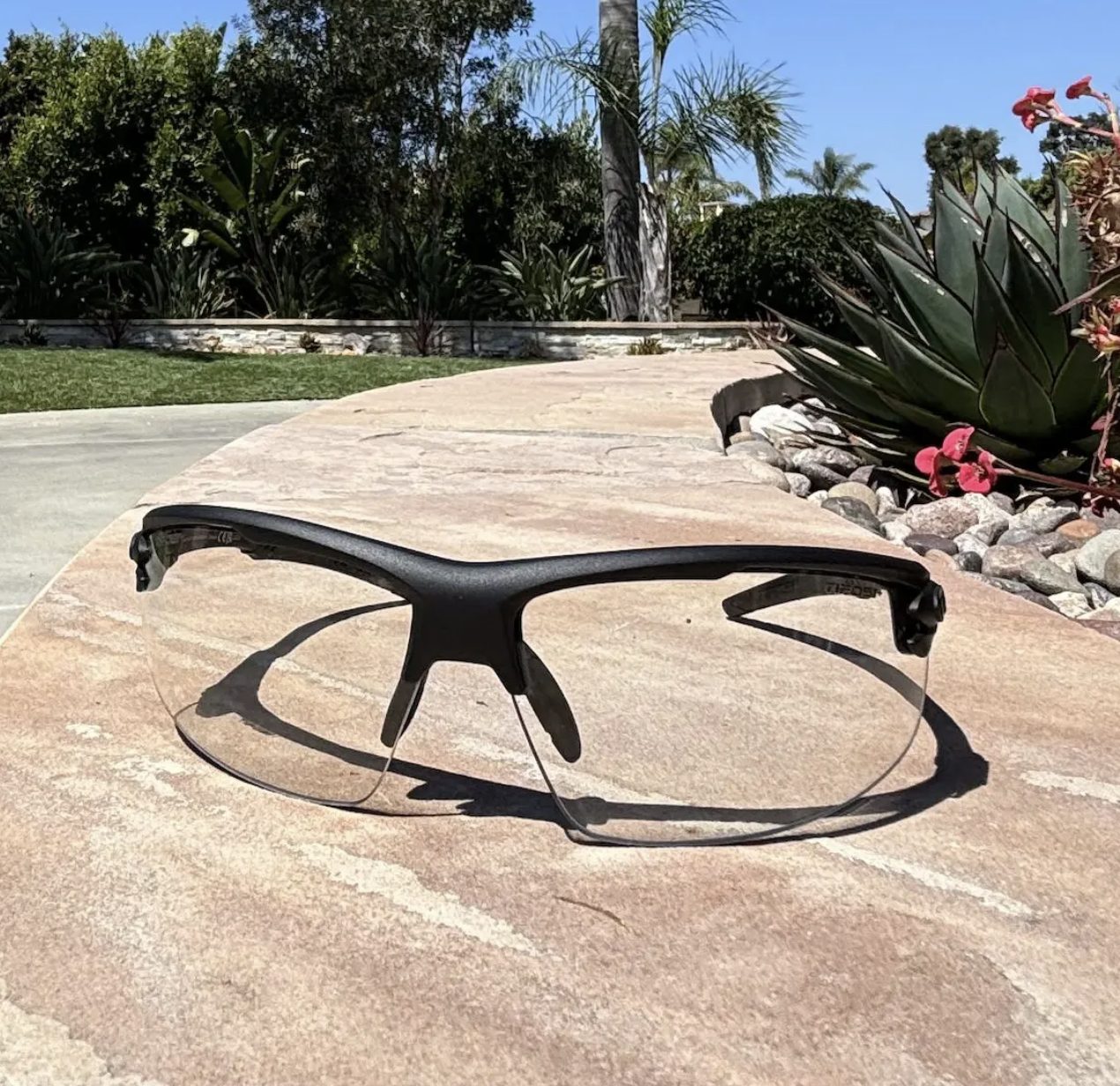
For sunny days, sunglasses usually do the trick. I use lightly tinted lenses on partly cloudy days and darker ones when it's bright out. But finding good clear-lensed glasses for low-light conditions was a challenge-most had distortion, bulky frames, or fogging issues. After testing several models, I finally found one that works: the Tifosi Rivet.
These glasses are lightweight, distortion-free, and didn't fog up during a long match. I barely noticed I was wearing them, which is the highest compliment I can give. The frameless design on the sides and bottom means nothing obstructs my peripheral vision, and the nose and temple contact points are soft and comfortable.
Durability remains to be seen, but they feel sturdy and come with a hard case. At $50, they're mid-range, and while I'm happy with my current sunglasses, I'd consider trying Rivet's tinted options if the clear lenses continue to perform well.
No matter what you choose, protect your eyes when you play. The Tifosi Rivet is a solid choice for staying safe without sacrificing performance.
Tifosi Sanctum
by Destin Perry, certified coach & technician
I've been playing with my Tifosi lenses during tennis and pickleball for the past three weeks, so I wanted to share my experience and how they fit into my game.
Research shows that non-polarized tinted sunglasses don't significantly affect depth perception under well-lit conditions. I can confirm that tracking the ball wasn't impacted at all while playing with the Tifosi lenses.
First impressions-they're stylish, affordable, and well-made. The packaging felt high quality, and for the price, they're impressively sturdy. Unlike many budget-friendly brands, Tifosi offers a nice range of styles without going overboard on flashy colors.
That said, adjusting to playing with sunglasses wasn't easy. Everything felt darker, which was a challenge at first. Coaching on sunny days was great, but in tough matches, I found it hard to keep them on. Even a slight restriction in vision can make a difference in winning or losing a point. If you're worried about dimming, check out their clear options-Mike covered these in his review.
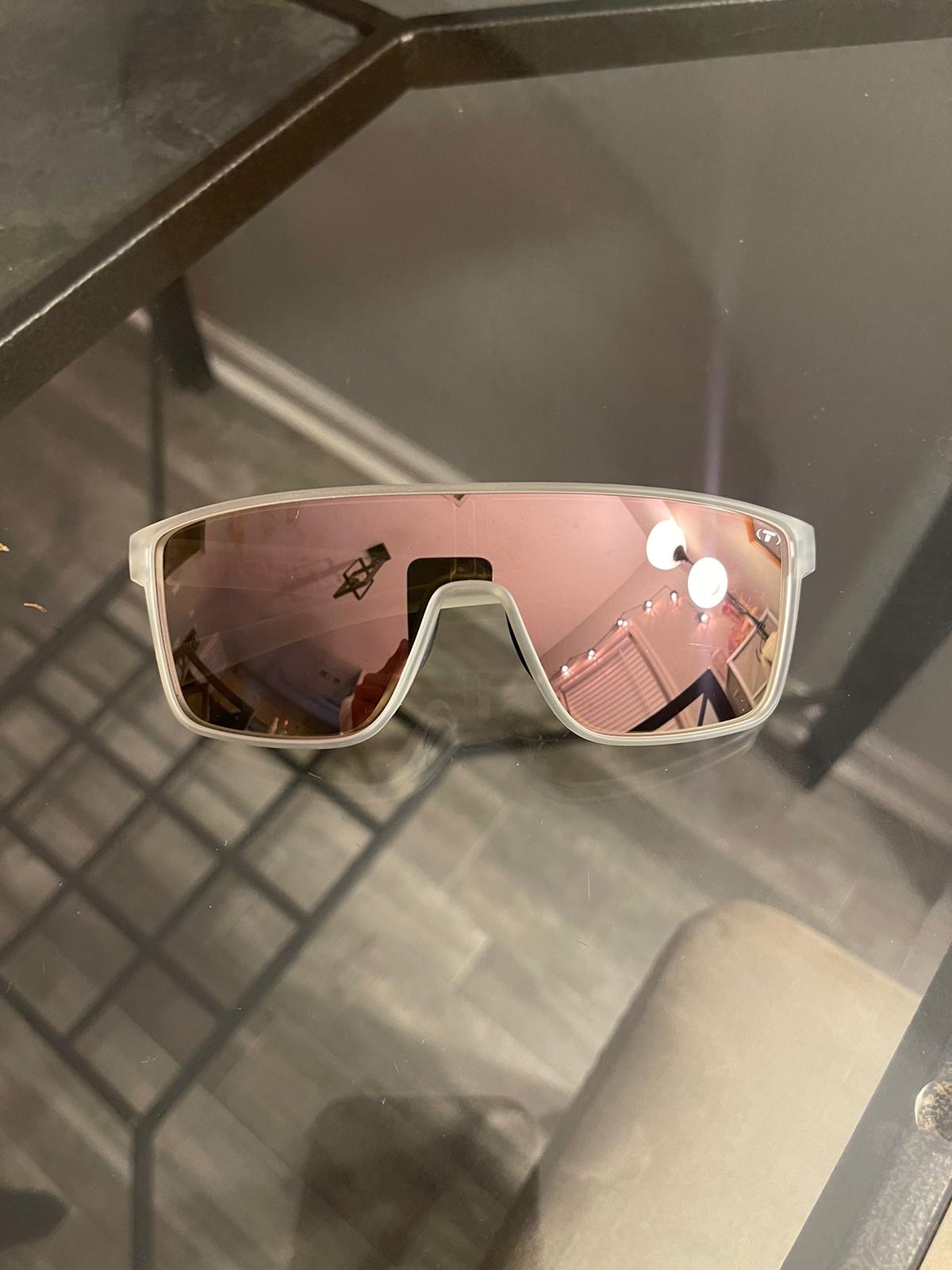
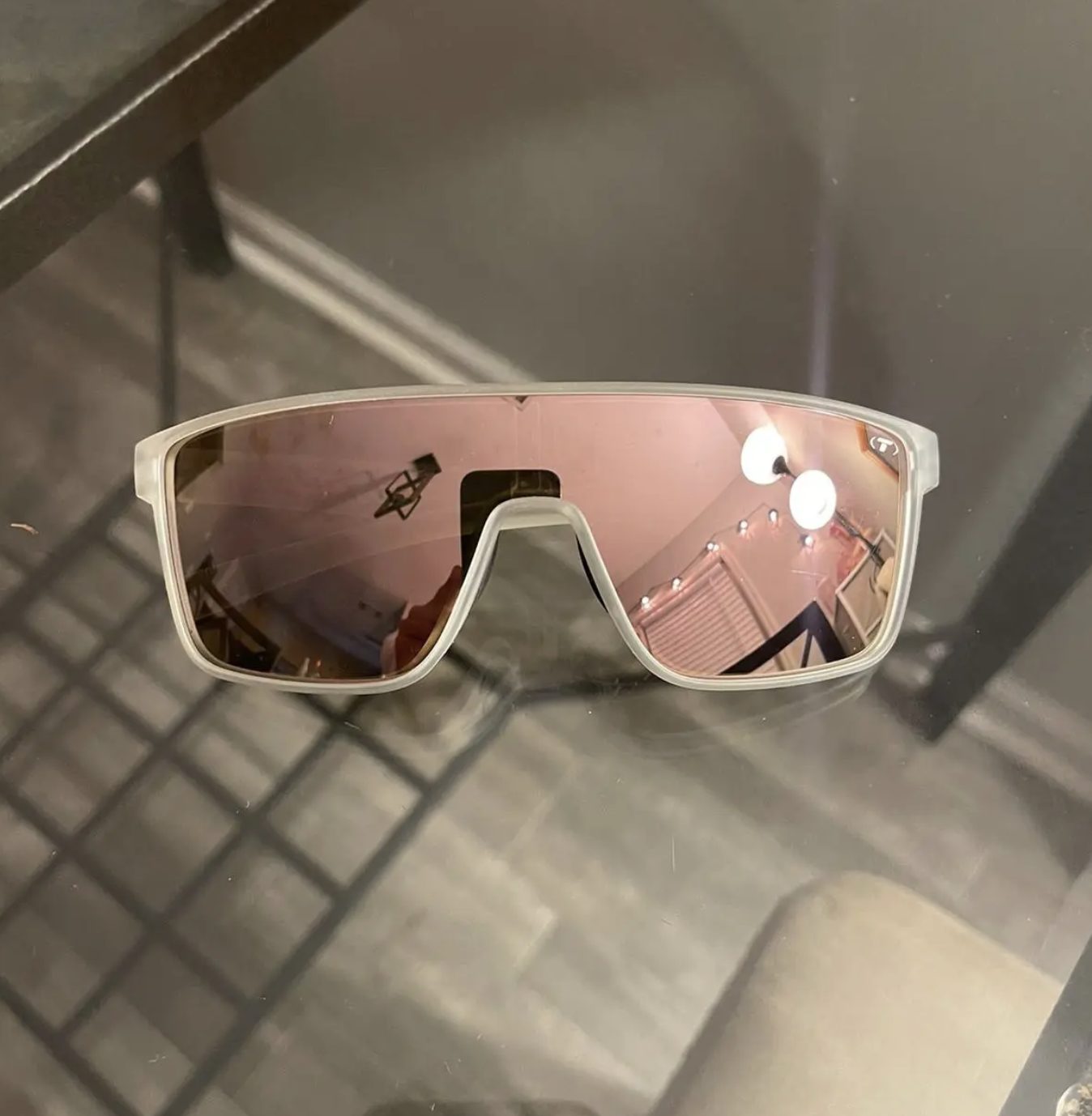
One thing to note-this model's design is a bit misleading. The center looks like a lens, but there's actually a plastic piece behind it that slightly restricts your field of vision. I expected an unobstructed view, so I was a little disappointed when they arrived. They still function well, just not as seamlessly as I'd hoped.
Overall, I'd recommend Tifosi, especially for players who rely on eyewear for racket sports. If you just need eye protection and don't want darker lenses, their clear options are a solid choice. I always recommend protective eyewear for pickleball, so I'll be pointing my students toward their clear styles, which are great for indoor play too.
Frequently Asked Questions
Should I wear sunglasses or clear protective glasses for pickleball?
It depends on your playing conditions and personal needs. Tinted sunglasses are ideal for bright outdoor play, reducing glare and eye strain. Clear protective lenses (like the Tifosi Rivet) are better for indoor play, cloudy days, or evening sessions while still protecting against eye injuries. Many serious players own both types and switch based on conditions. Eye protection of some kind is strongly recommended regardless—a pickleball to the eye can cause serious, permanent damage.
Do sunglasses affect depth perception in pickleball?
Research shows that non-polarized tinted sunglasses don't significantly impact depth perception in well-lit conditions, and our testers confirmed this during play. However, some players find the darker lenses take adjustment, especially in fast-paced competitive play where split-second reactions matter. Start by wearing them during practice sessions to adapt before using them in tournaments. If you struggle with darker lenses, try lighter tints or photochromic lenses that adjust to lighting conditions.
What features should I look for in pickleball sunglasses?
Prioritize these features:
- Secure fit: Glasses should stay put during quick movements without needing straps
- Lightweight materials: Reduce fatigue during long play sessions
- Impact resistance: Polycarbonate or similar materials rated for sports use
- Anti-fog ventilation: Prevents vision obstruction from sweat and humidity
- No frame obstruction: Frameless or minimal frame design for maximum peripheral vision
- UV protection: 100% UVA/UVB protection for outdoor play
The Rudy Project Tralyx+ and Tifosi models reviewed above check all these boxes.
Can I get prescription pickleball sunglasses?
Yes! Many sport sunglass brands offer prescription options or Rx inserts. The Rudy Project Tralyx+ offers prescription lenses with scratch replacement warranty. Alternatively, you can use prescription inserts that clip behind sport sunglasses, though these can feel bulky. Consult with your optometrist about sport-specific prescription eyewear designed for the quick head movements and varying distances in pickleball. Many players find prescription sport sunglasses worth the investment for both safety and performance.
Why do most pro pickleball players not wear sunglasses?
Many pros avoid sunglasses because the high-speed nature of competitive play requires maximum visual clarity and unrestricted peripheral vision. Even slight dimming or frame obstruction can impact reaction time at the highest levels. However, top players like Anna Leigh Waters do wear sunglasses, proving they can work for elite competition. For recreational and intermediate players, the eye protection benefits far outweigh any minor visual trade-offs. Choose what works for your skill level and comfort—safety should always come first.
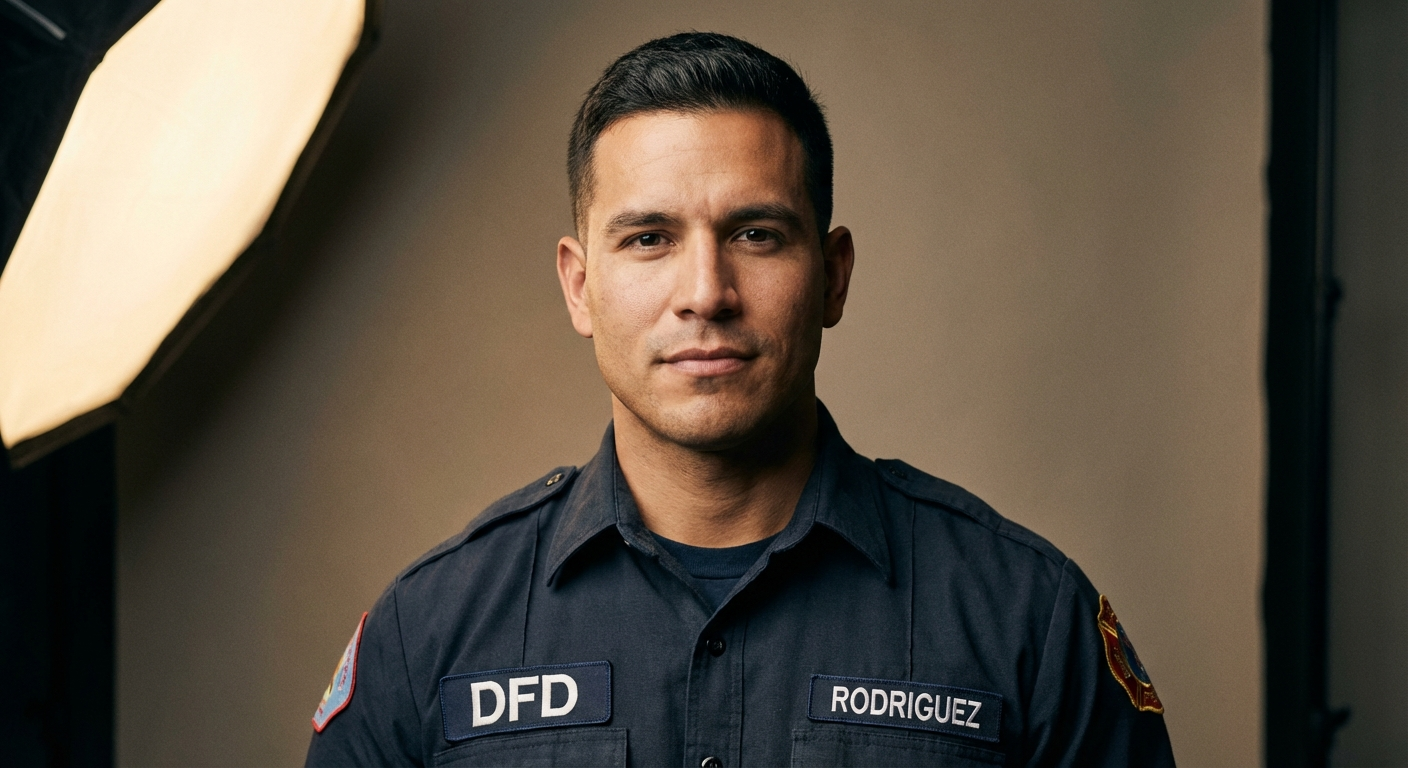
About Dennis Rodriguez
Pickleball Portal Contributor
Dennis Rodriguez is a contributor to Pickleball Portal, sharing insights and expertise to help players of all levels improve their game.
10 comments from our community
These comments were originally posted on our WordPress site and have been preserved here. New commenting coming soon.
You don’t mention which of the brands you reviewed allow prescription lenses. Do all and if not which do. Thanks much for a cogent review.
Hi Matt,
Thank you for the great overview. I came across your blog while looking for some tennis shades for a night play. The contrast of such bright light and the darkness around seem to be my issue. Do you have any recommendations?
Hi Matt,
I play indoor pickleball and the fluorescent lights really affect me ie at times, I can scarcely see the ball.
What do you suggest?
Thanks,
Yve
Hello! Thank you for the reviews which are helpful. I want to put something out there. I am a woman with a small face. Most glasses are to big for my face and the children’s too small. I would love to see a company cater to small faces! Also your link to the half flak takes you to the 2.0 on amazon.
Thank you for sharing such great information. It’s really helpful for me, and guys if any have color blindness problems then visit this profile and click this website and check your eyes by the screening test.
Not sure why you’re recommending polarized sunglasses for pickleball. They are well known for messing with depth perception and are NOT good for court sports at all.
Stay away from polarized sunglasses for tennis or pickleball… and go with amber or red lenses. That’s the best combo.