Independent & Unbiased
Founded in 2017, Pickleball Portal is one of the original pickleball content sites — built before the sport went mainstream. Our reviews are written by 14 independent contributors who play competitively and test gear firsthand. We may earn a small commission through affiliate links, but this never influences our recommendations. You pay nothing extra.
Anna Leigh Waters Wins 20th Triple Crown in Landmark Battle!
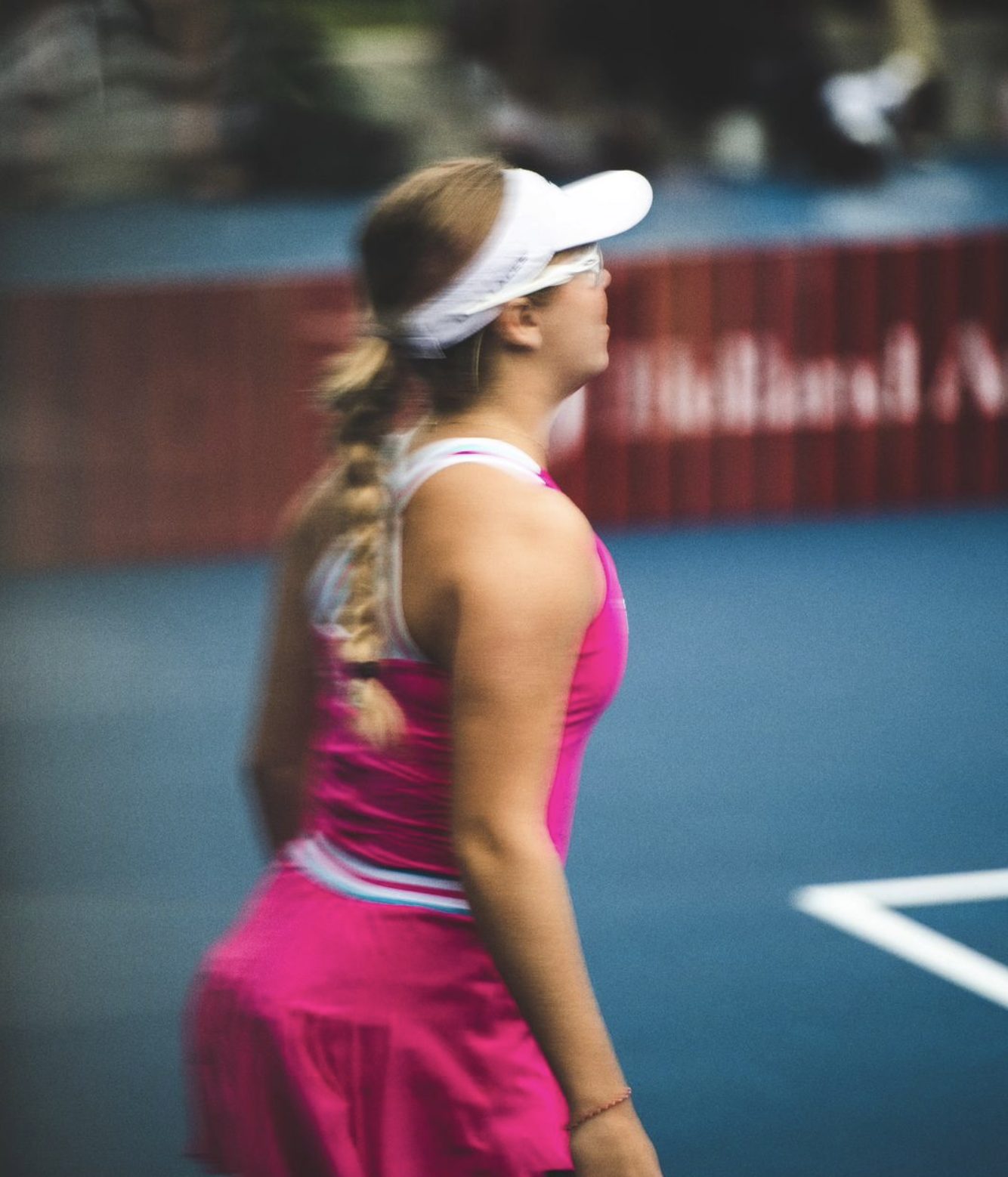
#1 Anna Leigh Waters (Image credit: Nick Uzunyan)
Yesterday in one of the wildest and most grueling singles matches ever in professional pickleball, Anna Leigh Waters defeated Catherine Parenteau, winning her twentieth Triple Crown at the BioFreeze USA National Championships in Dallas. This wasn't just another tournament victory—it was a defining moment that showcased the mental fortitude, physical conditioning, and championship resilience that separate elite athletes from the merely excellent.
The Match That Had Everything
After winning the first match and overcoming a large deficit but still losing the second match, Waters seemed sluggish, having had a long day of playing hard in mixed doubles and women's doubles. The physical and mental toll was visible. Match three started poorly for ALW—winded, frustrated, down six points, with her friend and doubles partner giving her hell. Parenteau played like a champion, dominating many rallies, dictating the terms, forcing her doubles teammate to sprint back and forth and cover court, match her shot for shot, angle for angle, trick for trick.
20th 👑👑👑 @AnnaLeighWaters pic.twitter.com/o1ccmTcf97
— Carvana PPA Tour (@PPAtour) November 12, 2023
The audience witnessed power versus power, as well as opposing coaches—wizards of the game—in a duel of strategies. ALW would make a spectacular shot, Parenteau would respond with one of her own, always rising to the challenge, demonstrating why she has long been the number two female singles player. Somehow, though, Waters found within herself renewed spirit and determination—and fought, fought, fought, fought—regaining momentum in match three, even asking the large crowd for a boost.
Parenteau had match point four times and couldn't put Waters away.
Let that sink in: four match points saved.
So, as only a champion of the highest caliber can do, Anna Leigh Waters grappled and scampered her way to victory, earning the Triple Crown. What a match, ladies! Thanks for that. Congratulations, Anna Leigh Waters!
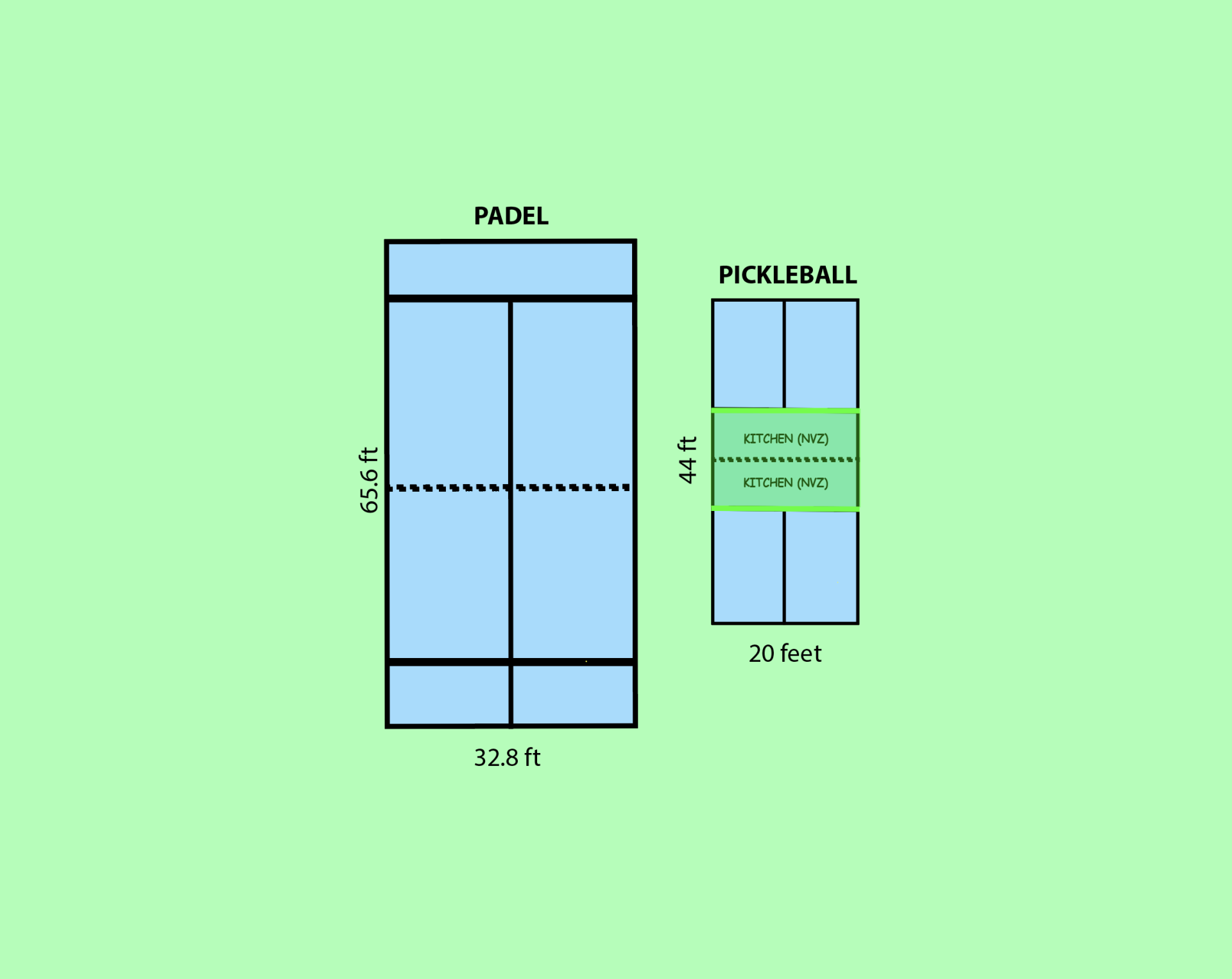
Padel vs. Pickleball (2026): A crisp, no-fluff comparison
What Made This Match Historic
The Physical Gauntlet
Waters had already played through mixed doubles and women's doubles earlier in the day—both at championship-level intensity. By the time she faced Parenteau in singles, she'd been on court for hours. The cumulative fatigue showed in her footwork, her shot selection, and her body language in match three.
Most players would have folded. When you're physically exhausted and down 6 points to a player as skilled as Parenteau, the easy psychological out is to think, "I've already won two events today; this one just wasn't meant to be."
Waters refused that narrative.
The Mental Warfare
What many spectators don't understand is the unique psychological dynamic when doubles partners face each other in singles. Waters and Parenteau know each other's games intimately. They've practiced together, strategized together, won together. That familiarity cuts both ways:
Advantage: You know their tendencies and weaknesses
Disadvantage: They know yours, and there's added pressure not to lose to your partner
The mental game becomes chess at 100 MPH. Parenteau exploited every pattern she'd seen Waters use in practice. Waters had to evolve mid-match, finding new shot combinations and rhythms that her own partner hadn't seen before.
The Crowd Factor
In match three, down and struggling, Waters did something that separates champions from competitors: she asked the crowd for energy. This takes humility (admitting you need help) and charisma (knowing the crowd will respond).
The Dallas crowd roared. That energy became fuel.
Athletes who can harness external energy—turning crowd noise into adrenaline, doubt into determination—have an edge that can't be taught. It can only be discovered in moments of desperation.
Breaking Down the Key Moments
Match One: Waters' Dominance
The first match showcased Waters at her best: aggressive returns, relentless speed-ups, and control of the kitchen line. She dictated tempo and punished any mid-court balls. Parenteau struggled to find her rhythm.
Final score: Waters wins decisively
Match Two: Parenteau's Resilience
After dropping match one, Parenteau made crucial adjustments:
- Deeper serves to keep Waters from attacking early
- More dinks to slow the pace and neutralize Waters' athleticism
- Better court positioning to cut off angles
Waters fell behind early in match two and fought back, but Parenteau had found her game. She closed it out with precision.
Final score: Parenteau wins, forcing a third match
Match Three: The Epic
This is where legends are made.
0-6 deficit: Waters looks exhausted. Parenteau is in full control.
Waters' adjustments:
- Started hitting more third shot drops to conserve energy
- Focused on making Parenteau hit one extra ball each rally
- Leveraged her backhand flick to attack short balls without winding up
The Turning Point (6-8): Waters strings together three consecutive points through sheer willpower. The crowd erupts. Momentum shifts.
Match Points 1-4: Parenteau serves for the match. Four times. Each time, Waters produces a shot that forces an error or wins the point outright. The pressure mounts.
Final Point: Waters closes with a forehand winner down the line. Parenteau lunges but can't reach it. Game. Set. Match. Triple Crown #20.
What Is a Triple Crown in Professional Pickleball?
For those new to professional pickleball, a "Triple Crown" means winning all three events at a single tournament:
- Mixed Doubles — Waters + male partner
- Women's Doubles — Waters + female partner
- Women's Singles — Waters solo
Achieving one Triple Crown is remarkable. Twenty is unprecedented. Waters had already cemented her legacy; this match added another layer: the ability to overcome adversity when everything seems lost.
Find Your Perfect Paddle
Take our 60-second quiz and get matched with your ideal paddle
The Coaching Battle: Strategy on the Sidelines
What made this match even more fascinating was the coaching dynamic. Both players had elite coaches:
Waters' Corner: Strategic emphasis on patience, energy management, and making Parenteau work for every point
Parenteau's Corner: Aggressive game plan: attack Waters' backhand, use angles to make her run, capitalize on her fatigue
The sideline coaching (allowed during timeouts and between games in PPA events) became a subplot. Every timeout was a mini strategic reset, with coaches analyzing patterns and suggesting adjustments in real time.
Why This Matters for Pickleball's Growth
Matches like this are exactly what pickleball needs to gain mainstream sports credibility. The drama, the physicality, the comeback, the respectful but fierce competition—these are the elements that make for compelling sports entertainment.
When casual fans can watch a match like this and understand the stakes, feel the tension, and appreciate the skill without needing years of pickleball experience, the sport crosses over from niche to mainstream.
This match was featured on ESPN+, Tennis Channel, and various sports highlight shows. Each broadcast expanded pickleball's audience and legitimacy.
Anna Leigh Waters: A Champion's Profile
At the time of this Dallas victory, Waters was just 17 years old. Let that age sink in alongside the "20th Triple Crown" achievement.
Career Highlights (as of 2023):
- Youngest professional pickleball player to turn pro (age 12)
- Most Triple Crowns in PPA history
- #1 ranked women's doubles player (with mom Leigh Waters)
- #1 ranked women's singles player
- Multiple major championship victories
Playing Style:
- Aggressive baseline play with exceptional speed
- Elite backhand (both roll and flick techniques)
- Outstanding court coverage and anticipation
- Mental toughness beyond her years
Equipment: Waters plays with JOOLA paddles, a partnership that's helped elevate the brand to top-tier status. Read our paddle buying guide to understand what makes pro-level paddles different.

My Advice for Aspiring Pickleball Pros
Catherine Parenteau: Respect for the Runner-Up
While Waters took home the trophy, Catherine Parenteau's performance deserves equal recognition. She:
- Forced a three-match battle against the world's best
- Had four match points (most players never get one)
- Played fearlessly and executed her game plan brilliantly
- Showed grace in defeat and celebrated her partner's achievement
Parenteau's consistency as the #2 singles player and elite doubles performer makes women's professional pickleball competitive and compelling. Without challengers of her caliber, Waters' achievements would mean less.
The Doubles Partnership Dynamic
One of the unique aspects of this match: Waters and Parenteau are doubles partners. They'd won women's doubles together earlier that same day. Hours later, they were battling each other in singles.
After the match, Parenteau posted on social media: "Lost to my girl today but we got the gold together. That's what it's all about. Proud of you @AnnaLeighWaters."
This professionalism and mutual respect elevates the sport. Fans get to see fierce competition and genuine friendship, which is rare in professional sports.
What's Happened Since Dallas (2023-2026 Update)
In the years following this historic Dallas match, Anna Leigh Waters has:
- Added 8 more Triple Crowns (now at 28 total through early 2026)
- Maintained her #1 ranking in singles and doubles
- Competed in and won multiple Grand Slam events
- Continued her partnership with Parenteau in women's doubles with great success
- Become one of pickleball's most marketable athletes
The Dallas comeback has become part of her legend—a defining moment that proved her championship mentality.
Browse All Paddles
Compare 500+ paddles with Portal Scores, prices, and specs
Lessons for Recreational Players
What can average players learn from this epic match?
1. Mental Toughness Beats Talent When Talent Quits
Waters was physically exhausted and down significantly. She could have folded. Instead, she fought. Apply this to your own matches: never give up until the final point is played.
2. Energy Management Is a Skill
Waters paced herself in match three, using drops and resets rather than constant aggression. Learn when to conserve energy and when to explode.
3. Use Your Environment
Waters asked the crowd for support. In your own matches, feed off positive energy from your partner, friends watching, or even your internal dialogue.
4. Respect Your Opponent
The Waters-Parenteau dynamic shows you can compete fiercely and still respect and appreciate your opponent. This makes pickleball fun and sustainable long-term.
5. Adaptability Wins
Waters didn't keep doing what wasn't working. She adjusted her strategy mid-match. Be willing to change your game plan when necessary.
Frequently Asked Questions
How many Triple Crowns has Anna Leigh Waters won total?
As of February 2026, Anna Leigh Waters has won 28 Triple Crowns in PPA Tour events, far more than any other player in professional pickleball history. The Dallas victory in November 2023 was her 20th, a milestone moment in itself.
Do Anna Leigh Waters and Catherine Parenteau still play doubles together?
Yes! Despite facing each other in singles, they continue to be one of the most dominant women's doubles teams on tour. Their partnership has won numerous gold medals since the Dallas event. Their ability to separate competitive singles matches from their doubles collaboration is a testament to their professionalism.
What paddle does Anna Leigh Waters use?
Anna Leigh Waters uses JOOLA paddles, specifically signature models designed in collaboration with her input. The JOOLA Ben Johns Hyperion and Perseus lines have been her primary equipment. These paddles emphasize control, power, and a large sweet spot—all crucial for her aggressive style. Check our complete paddle guide for similar options at various price points.
What is the format for PPA singles matches?
PPA singles matches are typically best-of-three games. Each game is played to 21 points, win by 2. If the match goes to a third game, it's also played to 21 (not a shortened tiebreaker). This format rewards stamina and mental toughness, as evidenced by the Dallas final.
Related Articles:
Anna Leigh Waters Does It Again: Another Gold in Mesa
2024 PPA Masters Grand Slam Recap
Professional Pickleball Players and Their Equipment
3rd Shot Drop vs. Drive: Which to Use and When
Best Way to Handle Midcourt Resets
A versatile and diversified writer, David Boyle has written three short story collections, published by independent presses. Though he earned his readership by writing reality-based fiction, Boyle has gained a reputation for literary stories, essays, articles, reviews, interviews, analyses, travel writing, reportage, and poems, a good number of which have appeared in both print and online magazines. Inspired by his wife's passion for the sport, David now loves pickleball and aims to illuminate current pickleball events and subjects with a fresh, creative perspective, offering readers something they can't find anywhere else. | My website | [email protected] | My Pickleball Journal

About David Boyle
Pickleball Portal Contributor
David Boyle is a contributor to Pickleball Portal, sharing insights and expertise to help players of all levels improve their game.